What Is an Oxymel?
A Traditional Honey and Vinegar Herbal Preparation
Oxymels are one of those old-fashioned herbal preparations that have stood the test of time because they’re simple, practical, and actually enjoyable to use. If you’ve ever wanted a way to work with herbs that doesn’t involve alcohol, complicated equipment, or forcing down something bitter, an oxymel may be exactly what you’re looking for.
At its most basic, an oxymel is a blend of herbs, vinegar, and honey. The name itself comes from Greek words meaning vinegar and honey, and that combination is what gives oxymels their balance. The vinegar draws out minerals and water-soluble plant compounds, while the honey adds sweetness, preservation, and its own long history of traditional use.
Together, they create a preparation that is shelf stable, versatile, and easy to fit into everyday life.
Why Herbalists Use Oxymels
Oxymels have been used for centuries, particularly in traditions where accessibility and long-term storage mattered. They don’t require alcohol, refrigeration, or specialized tools, and they’re approachable for people who are just beginning to build a home apothecary.
The sweet-and-sour flavor also makes oxymels a helpful option when working with herbs that are naturally bitter or strong tasting. Many people find them easier to take consistently than teas or decoctions, especially when life is busy.
Oxymels can be taken straight by the spoonful, diluted in water, or mixed into juice or sparkling water. That flexibility is part of what makes them such a useful everyday preparation.
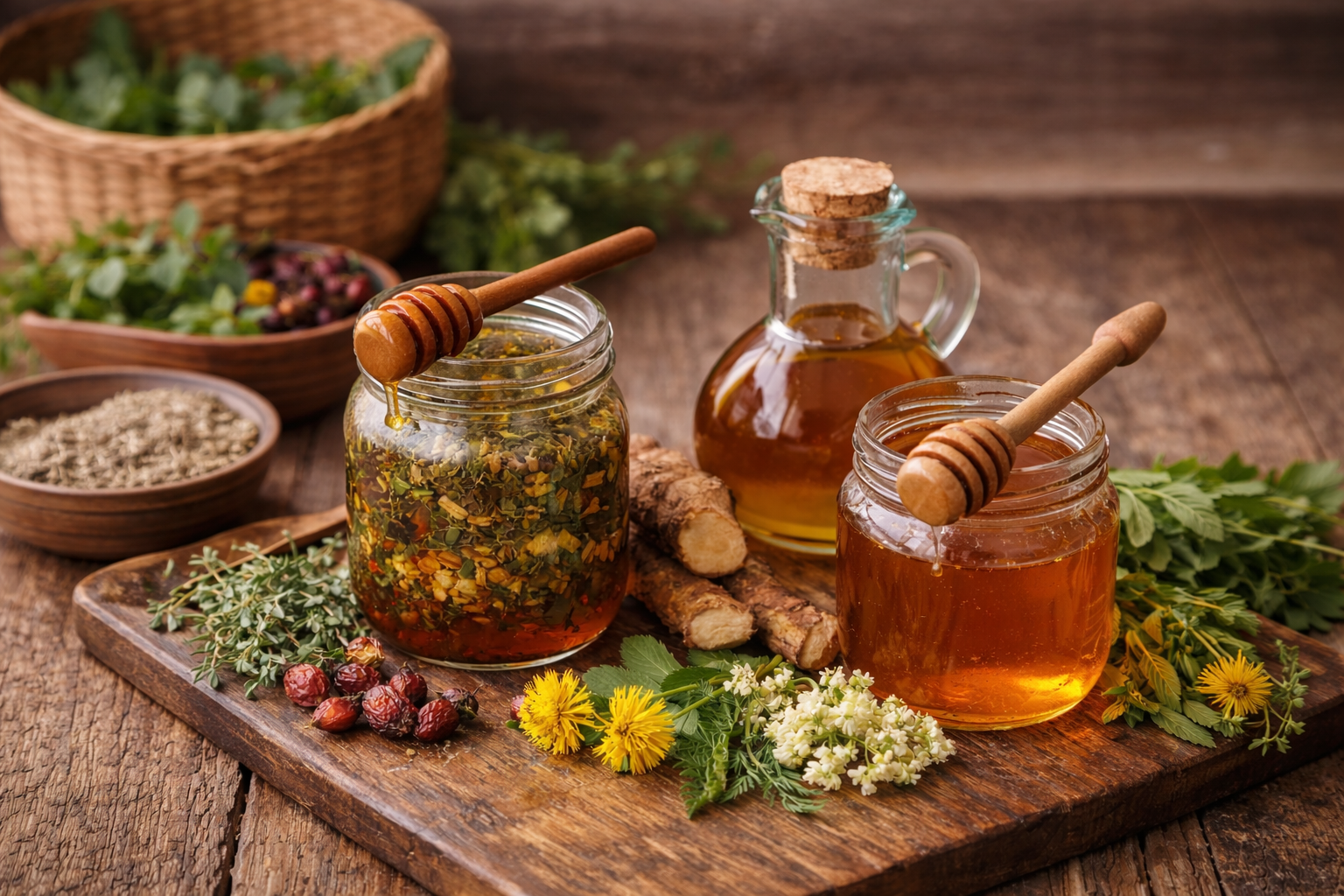
A Closer Look at the Ingredients
Apple cider vinegar is the most commonly used vinegar in oxymels, especially when it’s raw and unfiltered. It has a long tradition of being used to extract minerals from plant material and is often chosen for its compatibility with herbal preparations.
Honey plays an equally important role. Beyond making oxymels taste pleasant, it contributes to preservation and has its own traditional antimicrobial properties. Using raw, unfiltered honey is generally preferred when possible.
Herbs may be fresh or dried, depending on the plant and the season. Roots, leaves, flowers, and berries can all be used, and oxymels are easily adapted to seasonal and household needs.
Oxymels and Families
One of the reasons oxymels remain so popular today is their usefulness for families. Because they are alcohol-free and naturally sweetened, they are often better accepted by children than other preparations.
That said, oxymels are never appropriate for infants under 12 months due to their honey content. For older children, oxymels can be adjusted in strength and dose, and they mix easily with water or juice for gentler administration.
I’ll be sharing more about child-specific oxymel combinations and dosing in a dedicated post.
Storage and Shelf Life
A well-made oxymel is naturally shelf stable. When stored in dark glass bottles and kept in a cool, dark place, most oxymels will keep for six to twelve months. Refrigeration can extend their shelf life even further.
As with any herbal preparation, it’s important to pay attention to appearance and smell. An oxymel should look clear and bright and smell pleasant, with the herbs, honey, and vinegar all coming through. If you ever notice mold or an off odor, it’s best to discard it.
Where Oxymels Fit in the Home Apothecary
Oxymels are one of those preparations that quietly earn their place on the shelf. They’re not complicated, they don’t require specialized training, and they’re easy to return to again and again. For many households, they become a foundational way to work with herbs on a regular basis.
If you’re building or growing a home apothecary, oxymels pair beautifully with teas, infused oils, and syrups, offering another gentle and effective option depending on the situation.
If you’d like to learn more about how oxymels and other preparations fit together, you’ll find a deeper overview in Herbal Preparations for the Home Apothecary.
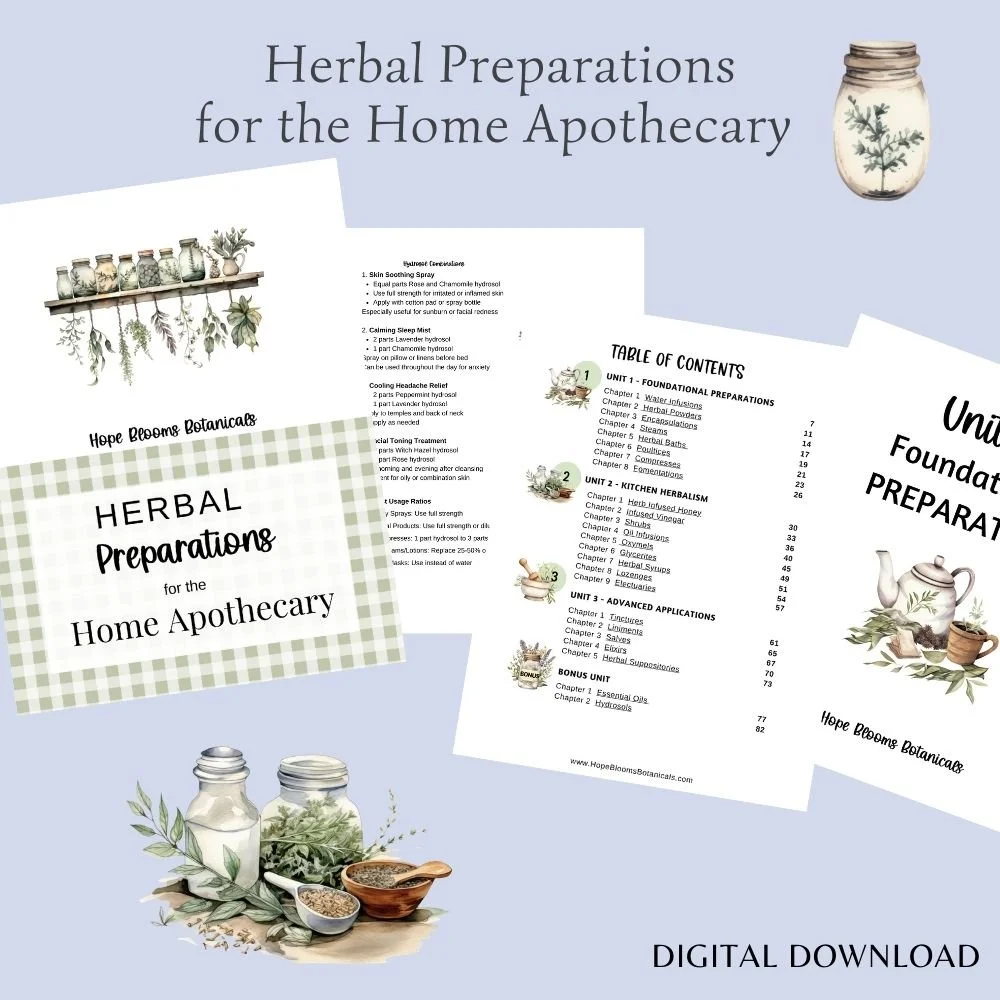
Oxymels are just one piece of a well-rounded home apothecary. If you’d like a deeper understanding of how different herbal preparations work, when to use them, and how to make them safely at home, Herbal Preparations for the Home Apothecary was created as a steady, foundational guide.
Want to make a Spring Detox Oxymel. In this post, I share a traditional seasonal recipe and how to make it step by step.