Lemon Balm: How to Grow, Harvest, and Use This Lively Garden Herb
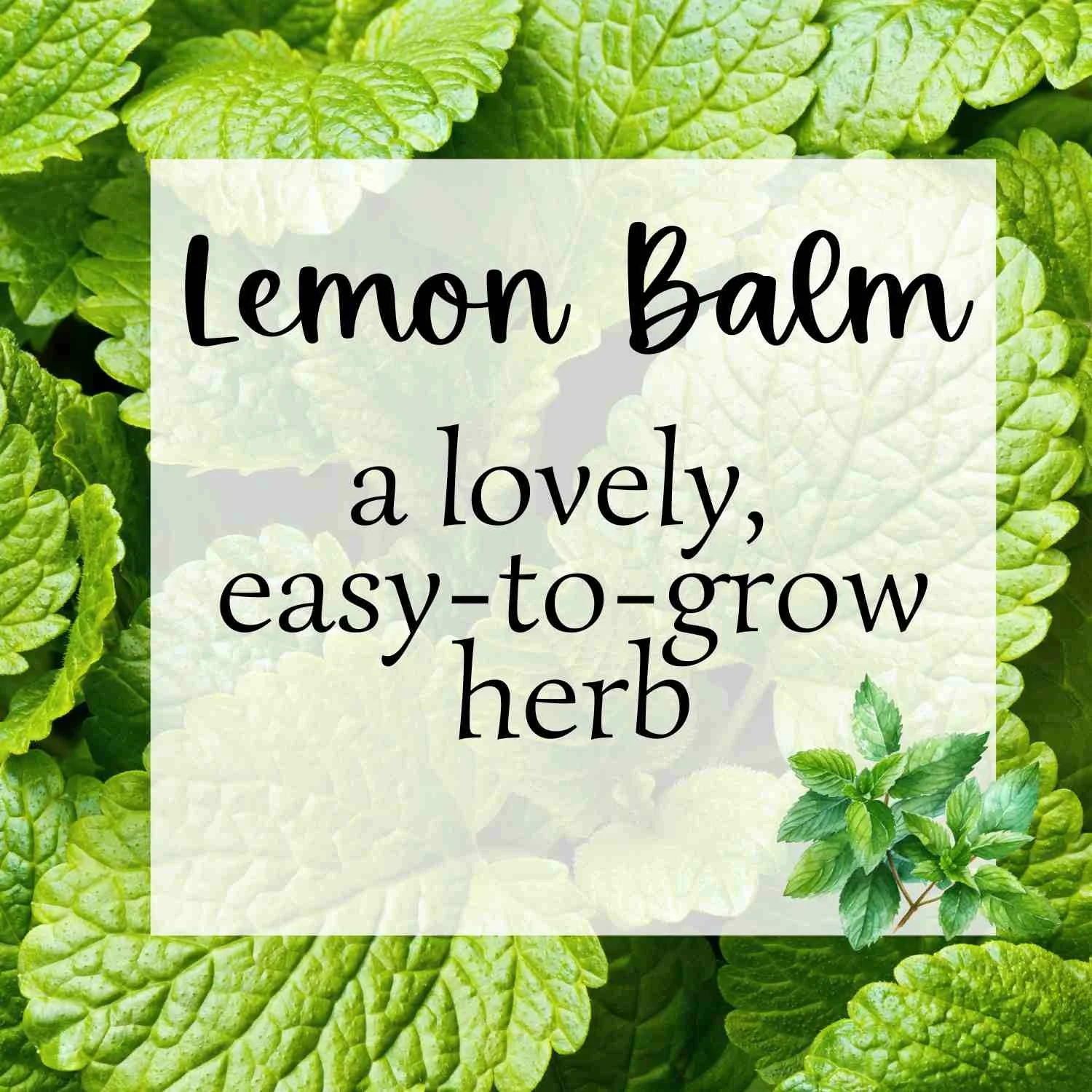
Lemon balm is a cheerful, easy-to-grow herb with a fresh, lemony scent that brightens both the garden and the kitchen. It’s versatile, hardy, and makes a lovely addition to teas, tinctures, and even culinary dishes.
Affiliate Disclaimer: Some of the links in this post are Amazon affiliate links. This means if you make a purchase through one of these links, I may earn a small commission at no extra cost to you. I only share products I personally use or trust.
Botanical Information
Botanical Name: Melissa officinalis
Common Name: Lemon Balm
Parts Used: Leaves
Primary Actions
Calming and uplifting for the nervous system
Digestive support, easing mild stomach upset
Mild antiviral properties
Gentle diaphoretic (supports sweating when slightly feverish)
Traditional Uses
Lemon balm has been used for:
Mild anxiety and stress relief
Sleep support
Digestive discomfort, including bloating and indigestion
Soothing headaches or tension
Culinary flavoring in drinks and desserts
It’s one of those herbs that naturally becomes part of everyday life—whether in a calming cup of tea or a sprinkle over fresh fruit.
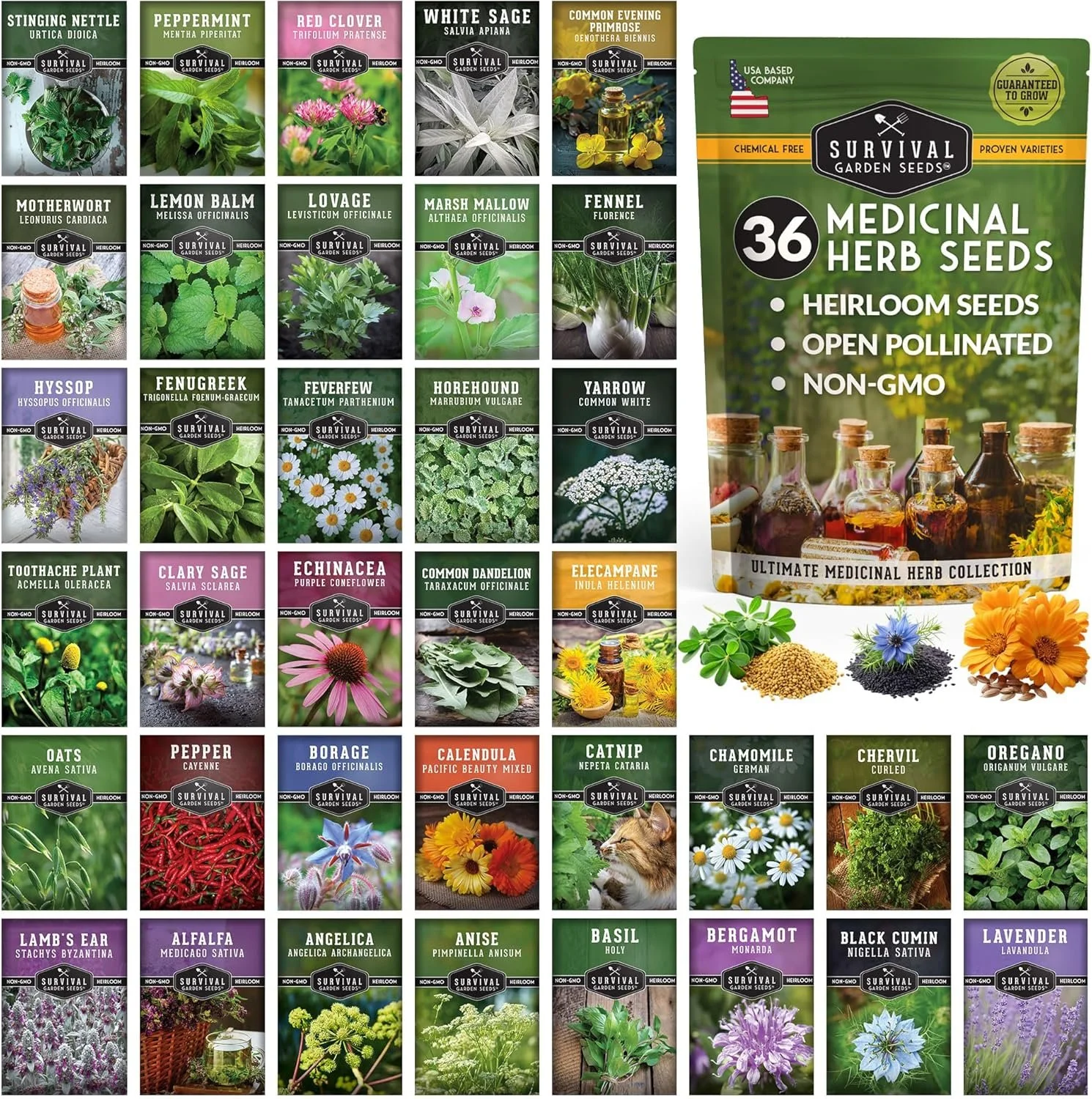
For those building an apothecary garden, I like using a medicinal herb seed variety pack I found on Amazon—it includes chamomile along with other useful herbs like lavender, calendula, and peppermint, so you can start a diverse garden all at once.
Ways to Use Lemon Balm
Most people enjoy lemon balm as a simple tea, which can be sipped to support digestion or calm the nervous system. It also works well as a tincture or glycerite for those who prefer a more concentrated preparation, with glycerites being particularly kid-friendly. Beyond internal use, lemon balm can be added to baths or used in gentle compresses for minor skin irritations.
How to Grow Lemon Balm
Lemon balm is forgiving and fast-growing. It can be started indoors 6–8 weeks before the last frost, then transplanted outside, or directly sown after the last frost. Scatter the seeds lightly on the soil surface and press them in gently—don’t cover, as they need light to germinate. Keep the soil evenly moist, and in about 7–14 days you’ll see seedlings sprouting. Once they’re a few inches tall, thin or transplant to allow 12–18 inches between plants for their naturally bushy growth.
While it’s easy to grow from seed, some gardeners like to speed things along with division or cuttings for quicker establishment.
Growing in the Ground
Light: Full sun to partial shade; partial afternoon shade helps in hot climates
Soil: Moist, rich, well-drained soil
Water: Moderate; keep consistently moist but not soggy
Spacing: 12–18 inches apart
Lemon balm spreads both by root and seed, so trimming after flowering helps keep it in check. It’s perennial in zones 4–9 and will happily return year after year.
Growing in Containers
Container Size: Medium to large (10–12 inches deep and wide)
Soil: Moisture-retentive, well-draining potting mix enriched with compost
Placement: Partial sun (morning sun, afternoon shade ideal)
Watering: Keep soil evenly moist, especially during hot summer days
Container growing is great for keeping lemon balm close at hand for teas and kitchen use, and it also helps control its natural spreading habit.
Harvesting & Drying Lemon Balm
The best time to harvest lemon balm leaves is just before the plant flowers, when the leaves are most aromatic. Cut stems about halfway down the plant; regular harvesting encourages bushier growth and keeps the plant manageable.
After cutting, dry the leaves quickly in a well-ventilated area out of direct sunlight to preserve their aroma and color. Store leaves whole and crumble just before use for maximum freshness. Your future tea jar will thank you.
Want the Full Apothecary Garden Growing Guide?
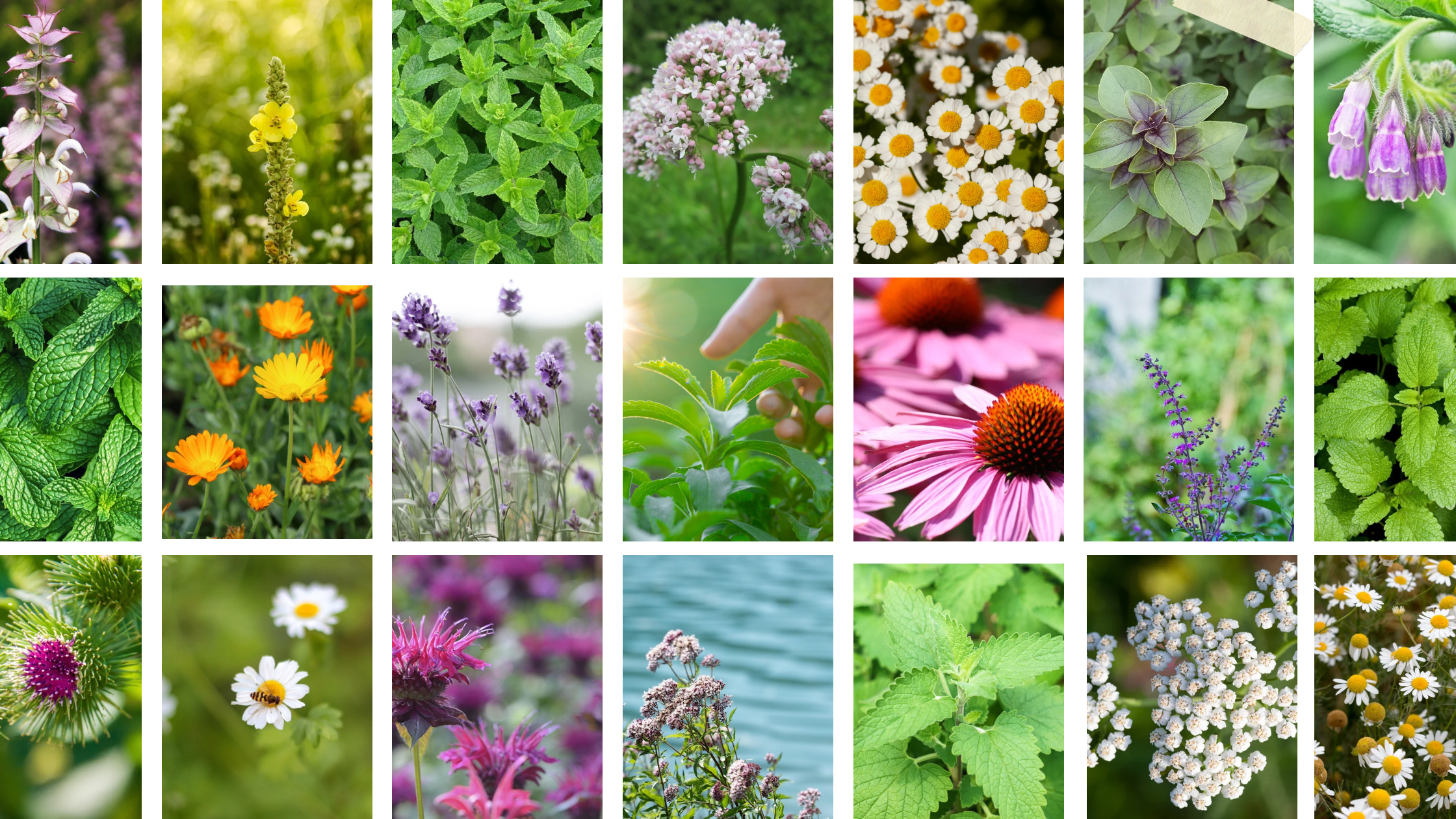
If you’re looking for a clear, practical guide that walks you through how to grow, harvest, and use 20 medicinal herbs, my Apothecary Garden Growing Guide brings it all together in one place. I made this guide for myself, printed it, put it in sleeve protectors, and still use it throughout the growing season—from seeding and watering to harvest. It’s my quick, reliable reference that I reach for again and again.