Blood Sugar Support- Tulsi and Cinnamon
Affiliate Disclosure
Some links on this site may be affiliate links. This means I may earn a small commission at no additional cost to you if you choose to make a purchase. I only share products I genuinely use or trust.
Tulsi (Holy Basil) and Ceylon Cinnamon for Blood Sugar Support
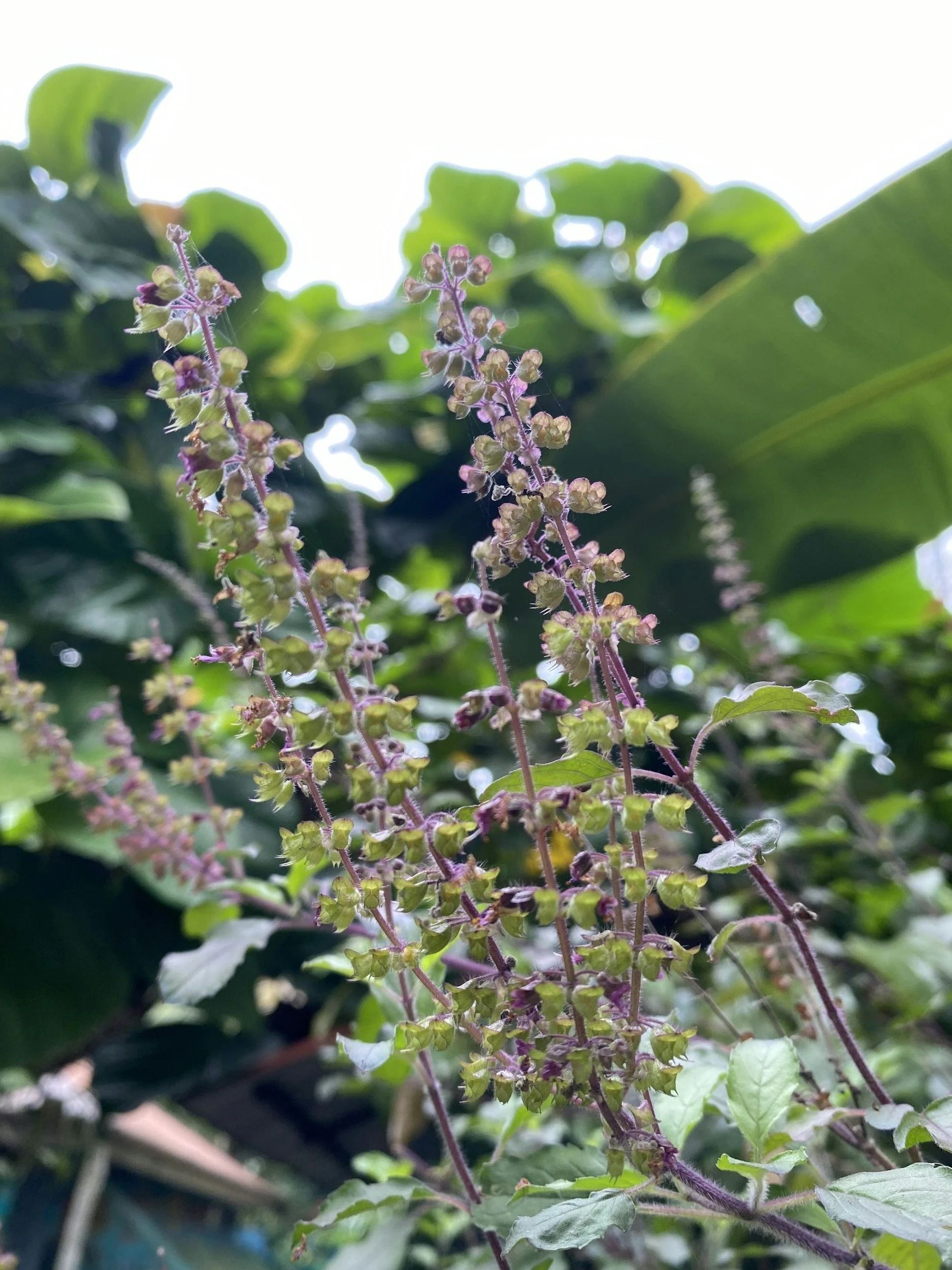
An aromatic, sun-loving herb with clove-like scent and soft, green or purple-tinged leaves. Holy basil is a favorite in herbal gardens for its uplifting nature and its traditional use in calming stress response and supporting overall well-being.
Supporting healthy blood sugar levels is an important part of overall wellness, and gentle traditional herbs can be a helpful part of that picture. Tulsi (Holy Basil) and Ceylon cinnamon are two herbs with a long history of use, and when used together they may offer complementary support for blood sugar balance.
Tulsi (Holy Basil) is an aromatic herb traditionally used in Ayurveda and is well known for its balancing nature. It is often appreciated for helping the body adapt to stress, which plays an important role in metabolic health. Research suggests Tulsi may support insulin sensitivity and healthy blood sugar regulation, making it a thoughtful addition to a daily wellness routine.
Ceylon cinnamon is valued for its antioxidant and anti-inflammatory properties. It is often chosen for its gentler profile and may help support healthy insulin response and blood sugar stability. When combined with Tulsi, these two herbs can work together in a steady, supportive way.
Recipe: Tulsi and Ceylon Cinnamon Vinegar Infusion
A simple way to include both Tulsi and Ceylon cinnamon in your routine is through a vinegar infusion. This preparation combines apple cider vinegar with herbs to create a flavorful tonic that may support blood sugar balance when used consistently.
Ingredients for a 1-quart (32 oz) jar:
• 4 to 5 Ceylon cinnamon sticks, 3 to 4 inches each
• 2 to 3 cups fresh Tulsi leaves or 1 to 1.5 cups dried
• Raw apple cider vinegar, enough to fill the jar
Method:
1. Break the cinnamon sticks into smaller pieces to increase surface area.
2. Loosely pack the Tulsi and cinnamon into the jar.
3. Pour apple cider vinegar over the herbs, covering them by at least 1 inch.
4. Cap with a non-metallic lid.
5. Shake gently once daily.
6. Infuse in a dark place for 2 to 4 weeks.
7. Strain and store in a clean jar.
Suggested use:
1 to 2 teaspoons diluted in water, 2 to 3 times daily, taken before meals.
Warnings and considerations:
Use caution if taking blood-thinning medications, as Ceylon cinnamon has mild blood-thinning properties. Discontinue use at least two weeks before surgery.
If you take diabetes medications, monitor blood sugar closely. Start with small amounts and observe how your body responds.
During pregnancy or breastfeeding, culinary amounts are generally considered safe, but concentrated preparations may not be appropriate.
The apple cider vinegar base may aggravate acid reflux or stomach irritation and should always be diluted.
Take this infusion at least two hours away from medications to avoid interactions.
Reduce or stop use if you experience dizziness, unusual fatigue, low blood sugar readings, digestive discomfort, headaches, nausea, skin reactions, unusual bruising or bleeding, heart palpitations, or changes in menstrual flow.
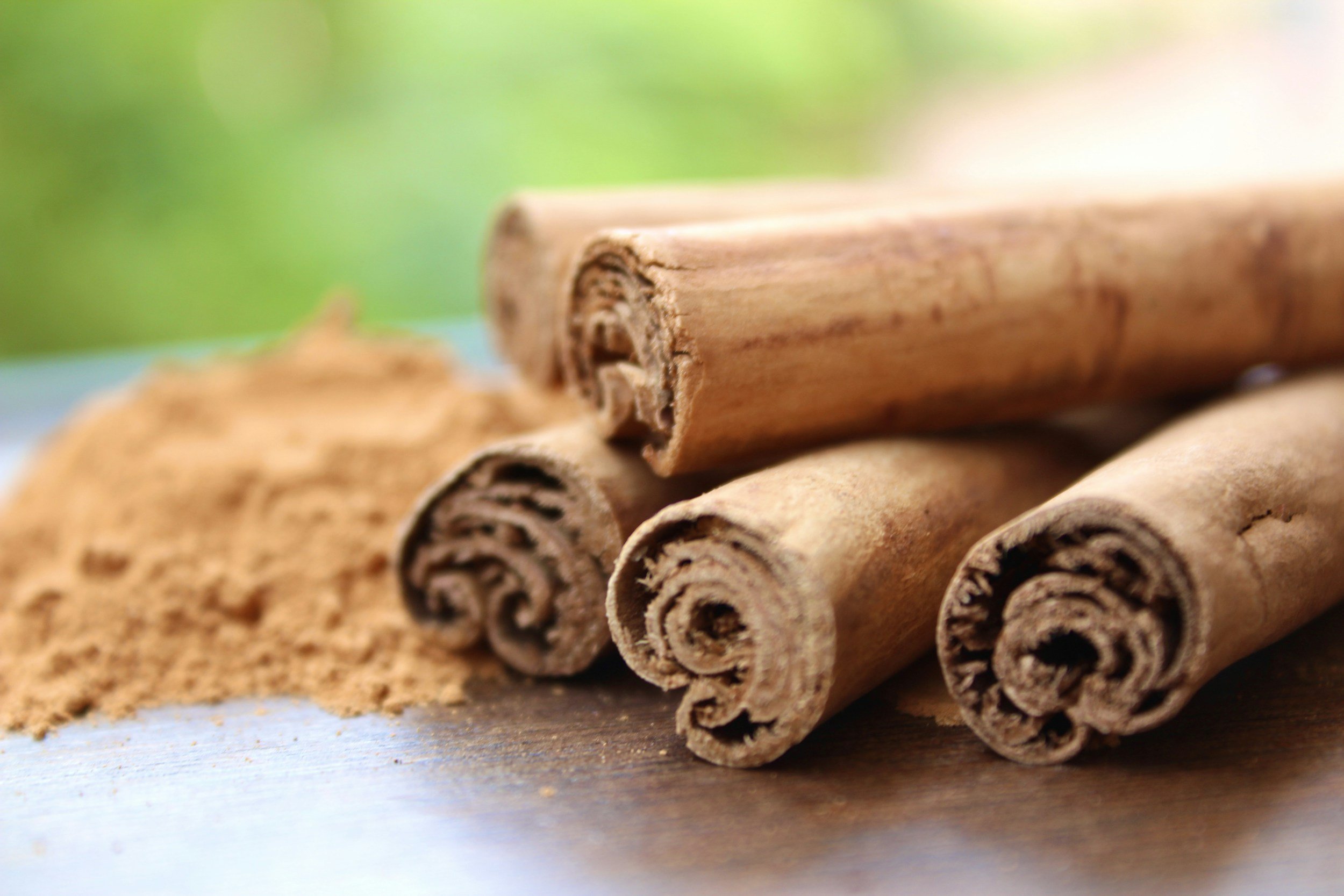
Tulsi and Ceylon cinnamon can be a gentle and supportive addition for those looking to care for metabolic health naturally. Always listen to your body and consult a qualified healthcare provider if you have health conditions or take medications.
Medical Disclaimer
The information shared on this website is for educational purposes only and is not intended to diagnose, treat, cure, or prevent any disease. Always consult a qualified healthcare professional before making changes to your health routine.

The Apothecary Garden Growing Guide
Would you like a clear, practical guide that walks you through how to grow, harvest, and use 20 medicinal herbs, including Tulsi? The Apothecary Garden Growing Guide brings everything together in one place. I originally made this guide for myself. I printed it, put it in sleeve protectors, and still use it throughout the growing season—from seeding and watering to harvest. It’s my quick, reliable reference that I reach for again and again.